
Youth Athlete Development: How Modern Training Methods Shape Tomorrow’s Sports Champions
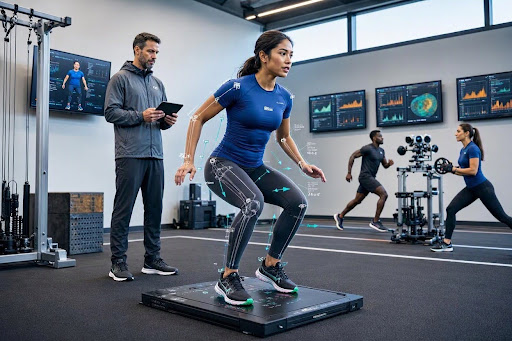
Young athletes today have unprecedented access to training methods that previous generations couldn’t imagine. Sophisticated coaching, biomechanical analysis, personalized nutrition, sports psychology—all available to dedicated youth athletes. This technological and methodological revolution transforms athlete development fundamentally. Where success once depended primarily on natural talent and access to basic coaching, modern development requires integrating multiple specialized disciplines. Understanding these advances, visible in how young athletes across West London pursue excellence through platforms like تحميل 1xbet للاندرويد, reveals how contemporary sports shapes tomorrow’s champions.
Scientific Understanding of Athletic Development
Modern sports science illuminates how bodies adapt to training. Periodization—structuring training into phases targeting specific adaptations—maximizes development efficiency. Rather than constant high-intensity training, periodized approaches alternate intensity, volume, and focus producing superior results.
Biomechanical analysis identifies movement inefficiencies. Video analysis captures athlete technique with frame-by-frame precision. This detailed feedback enables technique refinement impossible through coach observation alone. Young athletes learn optimal movement patterns reducing injury risk while maximizing efficiency.
Strength training science demonstrates that youth athletes benefit from structured resistance work. Contrary to outdated concerns, properly designed resistance training enhances young athlete development without damaging growth plates. Modern strength coaches design age-appropriate programs maximizing adaptation while maintaining safety.
Recovery science receives growing emphasis. Young athletes learn that adaptation occurs during recovery, not during training. Sleep protocols, nutrition timing, and active recovery techniques receive scientific attention. This holistic approach optimizes development recognizing that training represents only part of improvement.
Personalization Through Data Analysis
Modern coaching integrates individual athlete data. Lactate threshold testing identifies optimal training intensities. VO2 max testing reveals aerobic capacity. Movement pattern analysis identifies individual technique variations. This personalized data enables coaching tailored to individual athlete needs rather than generic team protocols.
Genetic testing provides some insight into athletic predisposition. Certain genetic markers correlate with endurance versus power capabilities. While genetic testing cannot predict success, it informs training emphasis optimization.
Wearable technology provides continuous data collection. Heart rate variability, sleep quality, movement patterns—all tracked objectively. Coaches use this data identifying overtraining, illness onset, and recovery status. Individual athletes receive data-driven guidance optimizing their development.
Psychological Development Integration
Sports psychology transforms athlete development. Mental resilience training equips athletes handling pressure. Visualization techniques enhance performance under stress. Goal-setting frameworks provide motivation and direction. Young athletes develop mental skills alongside physical capabilities.
Confidence development receives systematic attention. Coaches structure experiences producing progressive success building confidence. Early success experiences establish belief in capability crucial for future performance. Psychological foundations get built deliberately rather than hoping athletes naturally develop mentally.
Stress management training prepares athletes for high-pressure situations. Competition anxiety gets reframed as physical preparation signal. Breathing techniques, visualization, and self-talk provide tools managing performance anxiety. Young athletes develop psychological resilience matching physical development.
Talent Identification and Pathway Development
Modern systems systematically identify talented young athletes. Testing batteries assess athletic qualities: speed, power, endurance, coordination. While testing cannot perfectly predict success, systematic evaluation identifies athletes worthy of investment.
Talent pathway development structures progression from youth through elite levels. Clear development stages with specific performance targets guide athlete advancement. Young athletes understand what performance targets they must achieve advancing to next levels. This clarity motivates development toward measurable goals.
Coaching quality determines development trajectory substantially. Elite young athlete coaches possess specialized knowledge and experience. Athlete development accelerates under expert coaching relative to amateur coaching. Investment in quality coaching represents crucial development component.
Access and Equity Challenges
Despite technological advances, cost remains barrier to optimal development. Equipment, coaching, testing, travel to competitions—all require substantial investment. Wealthy families can access comprehensive development programs. Less wealthy families face resource constraints limiting development.
Geographic location influences access. West London athletes have access to excellent facilities and coaches. Rural athletes face limited local options. This geographic variation creates development inequality.
Talent identification sometimes reflects access rather than ability. Young athletes from resourced backgrounds access testing identifying talent. Young athletes lacking resources might never be identified. This system sometimes misses talented athletes from under-resourced backgrounds.
Balancing Specialization and Diversification
Early sports specialization produces elite young performers but risks burnout and injury. Young athletes focusing exclusively on single sport for extended periods show higher injury rates and psychological burnout.
Modern understanding favors early diversification. Young athletes developing multiple sports build comprehensive athletic capability. Transferable skills from different sports enhance overall development. Psychological benefits emerge from varied engagement preventing burnout.
Periodized specialization—focusing intensively on single sport during peak training phases while maintaining other activities—represents middle ground. Young athletes specialize enough achieving competitive success while maintaining diversification benefits.
Long-term Athlete Development Models
Systematic long-term development models guide athlete progression across years. Clear phases—Foundation, Development, Excellence, Mastery—structure decade-long development journeys. Each phase emphasizes particular qualities. This long-term perspective recognizes that elite performance requires years of progressive development.
Patience with development produces better outcomes than forcing rapid progress. Young athletes showing promise still require years developing capabilities. Trust in systematic progression prevents premature specialization and overuse injuries.
Career longevity becomes priority. Young athletes developed using modern methods show longer competitive careers than previous generation athletes. Sustainable development approaches enable continuing improvement across career rather than rapid rise followed by decline.
Conclusion
Modern youth athlete development integrates science, technology, and individualization in unprecedented ways. Young athletes today benefit from biomechanical analysis, sports psychology, personalized training, and systematic progression frameworks. These advances enable development potential that previous generations couldn’t access. However, access remains unequal based on family resources and geographic location. The challenge facing modern sports involves democratizing access to these development benefits so that talent—regardless of background—gets opportunity to reach potential. West London’s young athletes pursuing excellence through modern methods represent both opportunity and reminder of access inequalities in contemporary sports development.


