
Why Lightweight Electric Bikes Are Changing Urban Cycling in London: The Science Behind Easier Everyday Riding
For many years, the development of electric bikes focused on one simple goal: making cycling easier.
Manufacturers competed by improving:
- Motor power.
- Battery capacity.
- Riding range.
- Additional features.
These improvements helped more people adopt cycling as a practical form of transportation.
However, as electric bikes become more advanced, another factor is becoming increasingly important for urban riders:
weight.
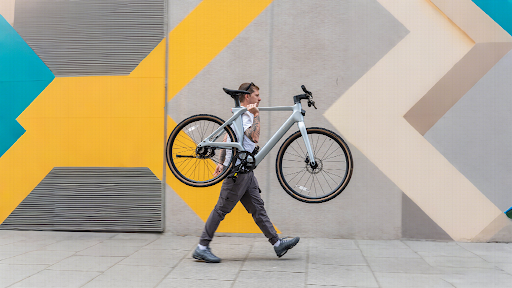
For people living in large cities like London, an e-bike is not only something they ride. It is something they need to live with every day.
They need to consider:
- Can I carry it upstairs?
- Can I store it inside my home?
- Can I combine it with public transport?
- Does it still feel easy to handle in busy streets?
This is why the lightweight electric bike category is becoming one of the most interesting developments in modern urban cycling.
The future of e-bikes is not only about creating more powerful machines.
It is about creating bikes that fit naturally into everyday life.
The Hidden Problem With Modern Electric Bikes: More Capability Often Means More Weight
Modern electric bikes have improved significantly.
Larger batteries provide longer range. More powerful motors help riders climb hills more easily. Stronger frames allow bikes to carry more equipment and handle more demanding conditions.
But these improvements often come with one major trade-off:
additional weight.
Many full-size electric bikes are now significantly heavier than traditional bicycles.
For riders who mainly use their bike on open roads or long-distance routes, this may not be a major issue.
However, urban cycling is different.
A London rider may need to:
- Carry a bike into an apartment.
- Move it through a train station.
- Store it in a limited space.
- Navigate crowded streets and narrow paths.
A bike can be excellent while riding but inconvenient when it is not moving.
This creates an important question:
Is the most powerful e-bike always the best e-bike for everyday urban life?
For many riders, the answer is no.
Why Weight Matters More Than Many Riders Expect
Weight affects much more than just carrying a bicycle.
It influences the entire ownership experience.
Easier Storage in Urban Homes
Many London residents live in:
- Flats.
- Apartments.
- Shared buildings.
Unlike suburban homes, many urban properties do not have garages or dedicated bicycle storage areas.
A lighter e-bike is easier to:
- Bring indoors.
- Move around the home.
- Store securely.
- Transport when necessary.
For daily riders, these small advantages can determine whether a bike becomes a regular part of life or remains unused.
Better Handling in Real City Conditions
Urban cycling is not only about speed.
Most city journeys involve:
- Frequent stops.
- Tight turns.
- Pedestrian areas.
- Uneven roads.
- Busy intersections.
A lighter bicycle generally provides:
- Faster response.
- Easier manoeuvring.
- A more natural riding feeling.
This is especially valuable for riders who want the assistance of an e-bike without losing the connection and control of traditional cycling.
Improved Everyday Efficiency
Weight also affects how a bicycle accelerates and climbs.
In cities where riders constantly start and stop, a lighter bike can feel more responsive.
It can also reduce unnecessary energy consumption because the motor does not need to move excessive weight during every acceleration.
The goal of lightweight design is not simply to make a number on a specification sheet smaller.
The real goal is improving the rider’s everyday experience.
Why Creating a Lightweight Electric Bike Is More Difficult Than It Looks
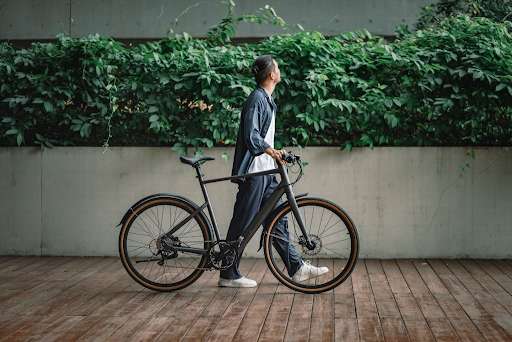
Reducing the weight of an e-bike sounds simple, but it requires careful engineering.
A modern e-bike must balance several competing factors:
- Weight.
- Strength.
- Battery capacity.
- Comfort.
- Riding stability.
A bike that is too heavy becomes inconvenient.
A bike that is too light without proper engineering may compromise durability or riding quality.
Battery Capacity vs Weight
The battery is usually one of the heaviest components of an electric bike.
Riders want:
- Longer range.
- More power.
- Less charging.
But increasing battery size also increases weight.
The challenge for lightweight e-bike design is not simply adding the largest battery possible.
It is finding the right balance between:
- Real-world range.
- Efficient power delivery.
- Manageable weight.
Frame Materials and Structural Engineering
The frame plays a major role in lightweight design.
Modern manufacturers use advanced materials and engineering approaches, including:
- Carbon fibre structures.
- Optimised aluminium designs.
- Integrated component layouts.
However, reducing weight cannot come at the cost of reliability.
An electric bike must still handle:
- Motor forces.
- Battery weight.
- Daily riding conditions.
- Long-term use.
Good lightweight design is not about removing material.
It is about using materials intelligently.
Three Lightweight Electric Bike Designs for Different Urban Riders
There is no single definition of the perfect lightweight e-bike.
Different riders value different things.
Some want the lowest possible weight.
Some need a comfortable commuter.
Others want a more traditional cycling experience.
Fiido’s lightweight electric bike range reflects these different approaches.
Fiido Air: For Riders Seeking Maximum Lightweight Performance
The Fiido Air represents the extreme lightweight approach.
Designed around minimal weight and refined urban mobility, it focuses on creating an experience closer to a traditional bicycle while maintaining the advantages of electric assistance.
Its lightweight philosophy makes it suitable for riders who value:
- Easy handling.
- Premium design.
- Minimalist appearance.
- Effortless urban mobility.
For professionals living in cities, the ability to easily move and store a bicycle can be just as important as riding performance.
The Fiido Air demonstrates how lightweight engineering can transform the relationship between riders and their bikes.
Fiido C11 Pro: The Balance Between Lightweight Design and Daily Comfort
Not every rider is looking for the lightest possible bicycle.
For many commuters, the ideal e-bike is one that balances:
- Manageable weight.
- Comfort.
- Range.
- Everyday practicality.
The Fiido C11 Pro represents this approach.
It is designed for riders who want an electric bike that fits naturally into daily routines, including:
- Commuting to work.
- Running errands.
- Exploring the city.
Instead of focusing on a single specification, the C11 Pro aims to provide a balanced riding experience for everyday urban users.
Fiido C21: A Lightweight Electric Bike With a Traditional Cycling Feel
Some riders enjoy cycling because of the feeling of riding a bicycle itself.
They prefer a design that feels closer to a traditional road or city bike while still benefiting from electric assistance.
The Fiido C21 follows this philosophy.
Its lightweight design and more classic bicycle appearance make it suitable for riders who want:
- A sporty urban riding experience.
- A natural cycling position.
- Electric support when needed.
For weekend riders and active commuters, this type of e-bike provides a connection between traditional cycling and modern electric mobility.
Lightweight Does Not Mean Less Capable
One common misunderstanding is that lighter bikes must sacrifice performance.
Modern technology has changed this idea.
Advances in:
- Battery efficiency.
- Motor design.
- Frame materials.
- Component integration.
have allowed manufacturers to create bikes that are both lightweight and practical.
The purpose of lightweight engineering is not to remove capability.
It is to remove unnecessary complexity and weight while keeping the features riders actually need.
How London Riders Should Choose a Lightweight Electric Bike
The right choice depends on lifestyle.
| Rider Type | Important Factors | Suitable Direction |
| Apartment residents | Weight and storage convenience | Ultra-light urban e-bike |
| Daily commuters | Comfort and balance | Lightweight commuter e-bike |
| Active cyclists | Natural riding feel | Sport-oriented lightweight e-bike |
The best electric bike is not always the one with the highest specifications.
It is the one that matches how the rider actually lives.
The Future of Urban Cycling Will Be Lighter and More Flexible
Cities are changing.
People want transportation that is:
- More sustainable.
- Easier to use.
- More adaptable.
- Better integrated into everyday life.
Lightweight electric bikes represent this shift.
They show that the future of cycling is not only about adding more power.
It is about creating smarter, more practical mobility solutions.
For London riders, a lightweight e-bike offers an ideal combination:
- The freedom of cycling.
- The assistance of electric power.
- The convenience required for modern urban living.
The next generation of electric bikes will not simply help people travel further.
They will help people move through daily life more easily.