
The New Chelsea Under Xabi Alonso: What to Expect in 2026/27
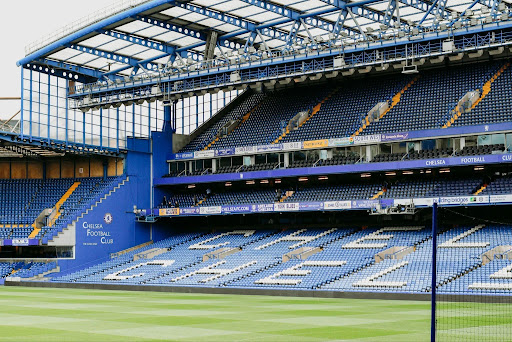
What can Chelsea realistically offer under the management of Xabi Alonso in the 2026/27 season? After a turbulent year, the arrival of the Spanish coach raises a legitimate question among supporters: are we looking at a simple managerial change or a genuine sporting rebuild? The evidence points toward the latter, although there are important nuances to consider.
A New Era with Xabi Alonso
The scale of the change is clear. Chelsea announced Xabi Alonso as their new head coach, with the Spaniard signing a four-year contract that began on July 1. This is not merely a cosmetic change: the club has brought in a coach with a clearly defined playing model and top-level European credentials. The interest surrounding his appointment has even been reflected in the way sports data platforms and betting markets have adjusted their expectations for the club, a trend that can be followed through portals covering Chelsea’s new era under Xabi Alonso in sports betting.
A New Project for Chelsea
The context explains the urgency behind the change. Alonso becomes the fifth permanent managerial appointment under BlueCo ownership, following Graham Potter, Mauricio Pochettino, Enzo Maresca and Liam Rosenior. That constant turnover reflects a club still searching for stability, and this is where the Spaniard faces his first major challenge: establishing a lasting identity.
His credentials are strong. In October 2022, Bayer Leverkusen appointed him with the club close to the relegation zone. Eighteen months later, as reported by the Bundesliga itself, Leverkusen were German champions for the first time in their history, remaining unbeaten across all 34 league matches and completing a domestic double with the DFB-Pokal.
A Chelsea with New Objectives
The summer transfer window has already significantly reshaped the squad. Some of the confirmed moves in the summer of 2026 include:
- Morgan Rogers arriving from Aston Villa.
- Defender Maxence Lacroix joining from Crystal Palace.
- Marc Cucurella leaving for Real Madrid.
- Alejandro Garnacho joining Aston Villa on loan.
Alongside these moves, the arrivals of Marco Palestra and Danny Welbeck add further depth to a squad that combines youth with proven experience. This is a significant nuance compared with the club’s usual approach, which in previous seasons had focused almost exclusively on emerging talent.
Squad Changes and Playing Style
There is a clear shift toward greater balance. Although the Blues have once again invested in young talent, the addition of players such as Jordan Henderson and Danny Welbeck provides leadership to a dressing room that needed experienced voices. This generational contrast appears designed to add stability after Chelsea’s difficult 2025/26 campaign.
Tactically, Alonso brings a recognizable philosophy. His success at Leverkusen was built around an attacking 3-2-5 structure, an aggressive system designed to overload the final line and maximize the attacking influence of the wing-backs. Few teams combined positional structure and attacking unpredictability as effectively as that Leverkusen side. His approach is based on control in both phases of the game: the team conceded the fewest goals in the Bundesliga, demonstrating the effectiveness of his model.
What Can Chelsea Achieve in 2026/27?
The starting point calls for moderation. In the 2025/26 season, Chelsea finished tenth in the Premier League, were runners-up in the FA Cup and reached the Champions League round of 16, a record well below the club’s expectations.
The Challenge of Returning to the Top
The natural objective is to regain ground and challenge for European places. One important factor comes into play here: after finishing tenth, Chelsea will not compete in any European competition next season. Fewer matches could mean greater freshness and more time for weekly training, which could be ideal for establishing a demanding tactical model such as Alonso’s.
The domestic schedule provides room for development, as highlighted in coverage of the club by BBC Sport. With a revamped squad, a coaching staff led by a new manager and no European distractions, Chelsea enter the season as a credible contender to challenge toward the upper end of the Premier League table.
Ultimately, the new era combines a proven tactical philosophy with a more balanced squad. The challenge will be turning that potential into consistency, something the club has lacked in recent years. If Alonso succeeds in establishing his identity, the 2026/27 season could mark the beginning of a sustained recovery at Stamford Bridge.