
The Evolution of Rugby Tactics: How the Game is Changing

Rugby has come a long way since its early days, and so have the tactics. What started as a game dominated by simple, forward-focused plays has transformed into a fast-paced, strategic sport that keeps fans on the edge of their seats. Today, it all boils down to how teams use the rugby rules to their advantage, crafting clever tactics that make the most of every opportunity. So, let’s take a look at how rugby tactics have evolved and where the game is headed next!
How Traditional Tactics Built the Foundation
In rugby’s beginnings, tactics were pretty straightforward – focused on set pieces and gaining territory. Teams relied on powerful scrums and line-outs to gain ground, with forwards leading the action. Kicking for territory was key, forcing the opposition to make mistakes and gradually wearing them down. It was all about slow, calculated play with a strong emphasis on possession and physicality.
Modern Rugby: Fitness, Specialization, and Smarter Play
Rugby started to change as players got fitter and more specialized. It wasn’t just about being tough anymore – it was about being fast, agile, and skilled. With better fitness, the game became quicker, and teams began focusing on creating more space and fluid attacking plays. The backline evolved too, and players became masters of offloading the ball to keep the game moving at speed.
The rugby tactics and strategies got sharper too. Coaches started using technology, like video footage and stats, to analyze every play and make adjustments. This has helped teams see their strengths and weaknesses in ways they couldn’t before, making the game smarter, faster, and more strategic.
Rugby Sevens: Speed, Skill, and Shifting Strategies
Rugby Sevens really brought a whole new vibe to the sport, and you can see its influence in the 15-a-side game today. With fewer players on the field and the game moving at lightning speed, Sevens put a big emphasis on speed, agility, and quick thinking. That fast-paced style didn’t stay in Sevens for long – it started creeping into traditional rugby as well. It was all about creating space and using speed to outsmart the opposition.
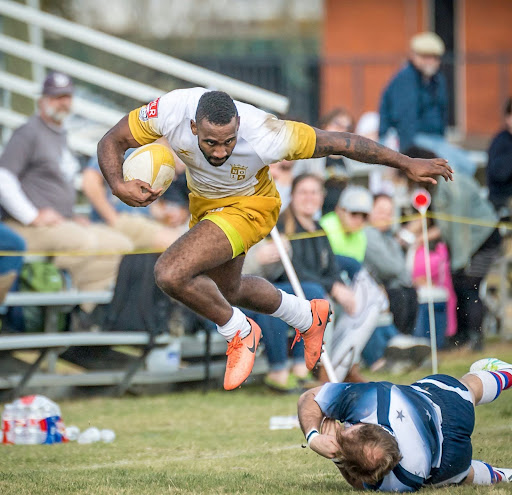
Coaches started adjusting their strategies to make sure their players were ready to adapt and react just as quickly as they would in a Sevens game. Rugby got faster, more exciting, and a lot more dynamic – all thanks to the Sevens influence.
How Data and Analytics Are Changing Rugby Tactics
Data and analytics are changing the game in rugby, and it’s not just about stats anymore – it’s about real-time decisions that can turn the game around. Coaches and teams now use performance tech to track players’ movements, monitor fatigue, and analyze how the opposition is playing, all in real time. That’s a huge shift from the old-school methods of just watching from the sidelines. For example, if a player’s stamina is dropping or an opponent’s defense is weakening, the coach can make a quick change. It’s all about reacting in the moment.
Similar to rugby teams studying their opponents to adjust their strategy based on opponents’ performance, experienced casino players analyze game trends, odds, and bonuses to maximize their winning chances. Platforms like https://casinosanalyzer.com/casino-bonuses/sonabet.net offer valuable insights into bonuses, helping players make the most out of their gambling – just like rugby coaches rely on analytics to refine their game plan.
The Scrum and Line-out: Power Moves That Shape the Game
Scrums and line-outs have always been central to rugby tactics, but how they’re used has evolved over time. These set pieces are still crucial for gaining territory and restarting play, but teams now approach them with much more tactical precision. Gone are the days of simply pushing against each other and hoping for the best – modern teams have refined their techniques to gain an edge.
A well-executed scrum can win valuable meters, and a perfectly timed line-out can create the opportunity for a strong attack. In today’s game, winning these set pieces is all about positioning, timing, and teamwork. Teams now use them to set the tone of the match. When done right, scrums and line-outs can play a huge role in turning defense into attack and gaining crucial territory.
Bottom Line
Rugby tactics have really changed over the years, moving from basic set pieces and territory-focused play to a much more strategic game. With fitness, specialization, and technology playing bigger roles, teams today are faster, smarter, and more tactical. Scrums, line-outs, and backline plays have all evolved, and the way teams use them has a big impact on the game. The cool thing about rugby is that tactics are always changing and adapting. Who knows what the future holds, but one thing’s for sure – rugby will keep getting more exciting!