
How Second Screen Habits Are Changing the Way Fans Watch Live Sport
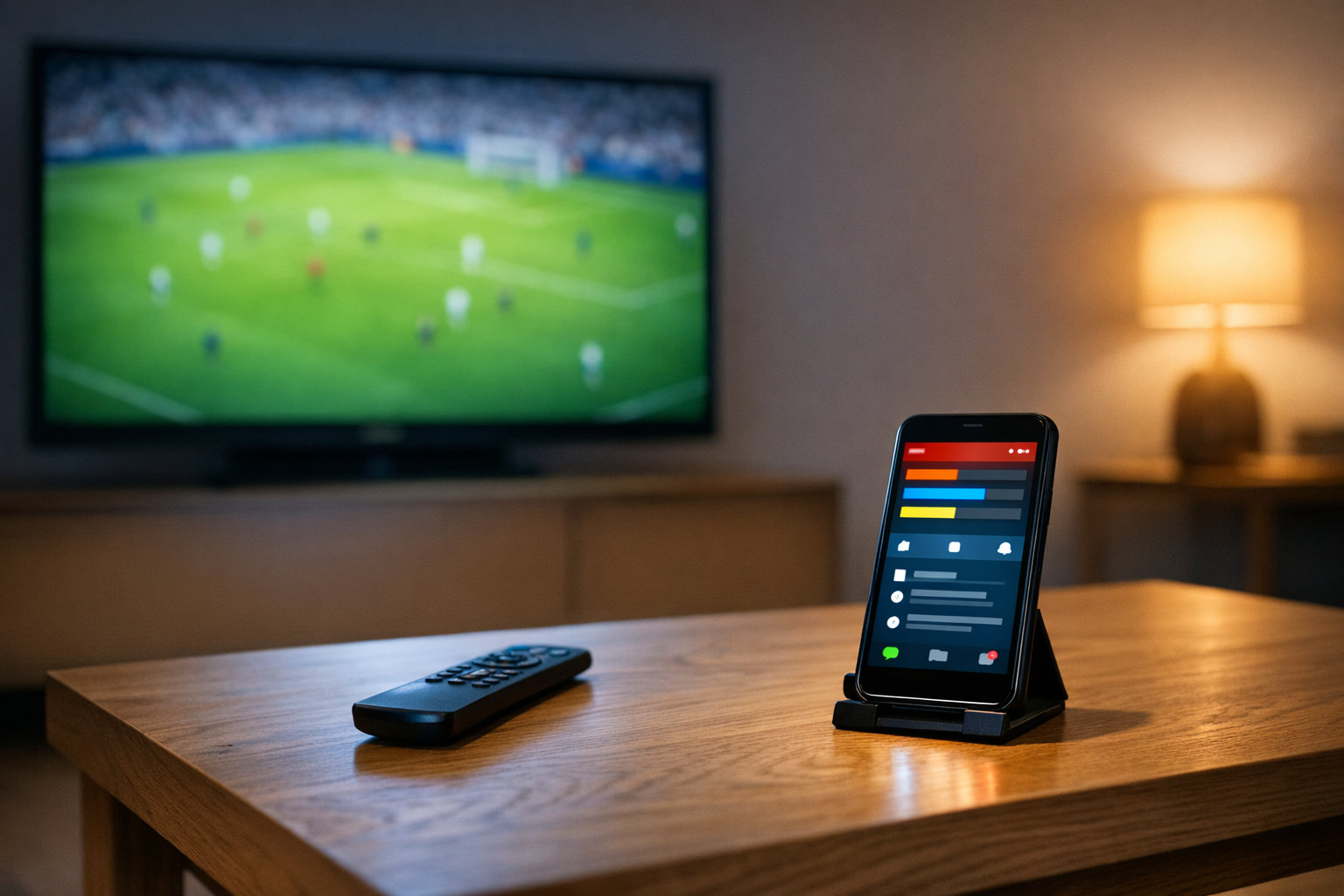
Watching live sport has evolved into a multi-device experience, with smartphones and tablets providing new ways to interact and stay informed. This article focuses on how second screen activities are changing the ways supporters follow live games and connect with others during matchdays.
The concept of the “second screen” is now a regular part of watching football, as many fans use their devices for updates while viewing matches. As data feeds and app notifications improve, audiences have come to expect instant access to information and engaging online conversations. Some also observe how various digital platforms, from social apps to a bitcoin casino site, are structured to maintain real-time engagement. Whether keeping up with trending topics or reviewing live stats, these practices show how technology has contributed to changes in the way people follow sport.
This trend is particularly important for those interested in how technology is altering matchday routines and extending discussions after the final whistle.
Common second screen behaviours during live matches
When a match begins, many viewers go beyond simply watching the broadcast. It is common to scroll through live commentary, check for goal alerts, or view statistics as events happen. Second screen activities allow fans to compare opinions, check formations, and follow reactions on social media as the game progresses.
Short-form video highlights and messaging groups have become popular methods for sharing important moments. Exchanging reactions or predictions with friends during breaks helps build a sense of community. The availability of instant data and active chatrooms has influenced how supporters discuss matches in real time.
Score predictions and “what happens next” moments
Trying to guess what will happen next is an integral part of following live sport. Making informal score predictions and quick guesses about plays reflects traditional matchday conversation, but is now more visible through group chats and online polls. This trend blends classic discussions with the directness of digital platforms.
These prediction games, while not formal betting, add interest and a personal connection to the match. There is some competition to see who can predict a red card or key moment, often leading to lively debate. This format remains popular because it mirrors discussions among friends, both in stadiums and at home.
Benefits, risks, and balancing your attention
Easy access to information and social interaction can heighten the emotional experience of matchday. Using multiple apps and receiving live updates makes it simpler to share facts, question opinions, and stay connected to a wider group. However, it also divides attention across several feeds and notifications, sometimes making it difficult to follow every moment of play.
More frequent use of second screens can increase exposure to spoilers, unverified updates, and rapid reactions that may not reflect the full story. Setting boundaries for screen time, muting unnecessary push notifications, and choosing positive sources can help supporters enhance their matchday experience without becoming overwhelmed. Second screen habits continue to adapt, offering new chances for insight, debate, and connection during every game.