
Why More Golfers Are Investing in Home Practice Setups
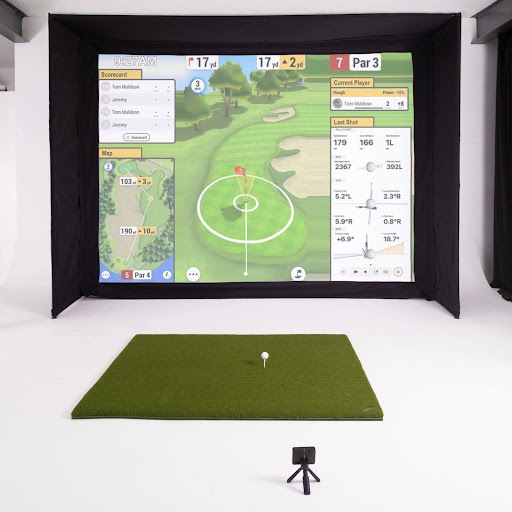
Golf improvement has always come down to one simple idea: consistent practice. The challenge, of course, is that regular range sessions and tee times are not always easy to fit into a busy schedule. Weather, travel time, course availability, and limited daylight can all get in the way. That is exactly why more players are turning to home practice solutions that make it easier to work on their swing, ball striking, and overall performance without leaving the house.
A well-designed home setup is no longer something reserved for tour professionals or luxury training studios. Thanks to better technology and more accessible equipment, golfers of all skill levels can now build practical indoor spaces that support meaningful improvement year-round. Two of the biggest drivers behind this shift are modern golf simulator packages and advanced Launch monitors.
The Rise of Smarter Home Golf Practice
For years, home golf practice often meant rolling a few putts on the carpet or making half swings into a basic net in the garage. While those methods still have value, today’s golfers are looking for more feedback and more realism from their training sessions. They want to know not just how their swing feels, but what the ball is actually doing.
That is where technology has changed the game. A home practice area can now deliver data that helps golfers understand club path, carry distance, launch angle, spin numbers, and dispersion patterns. Instead of guessing why a shot curved too much or came up short, players can identify trends and make smarter adjustments.
This kind of information creates a more efficient path to improvement. Rather than spending months repeating the same mistakes, golfers can build sessions around real performance feedback and track their progress over time.
Why Golf Simulators Appeal to So Many Players
The popularity of simulators has grown because they do far more than simply recreate a driving range experience. A good simulator setup allows golfers to hit real shots indoors while seeing a ball flight representation on screen, often paired with software that includes practice modes, shot analysis, and virtual course play.
For many players, that combination of training and entertainment is what makes simulators especially valuable. Practice becomes more engaging when it includes clear visual feedback and measurable results. It is easier to stay motivated when a session feels immersive rather than repetitive.
Home simulators also help remove many of the common barriers to practice. Instead of coordinating a trip to the range, a golfer can step into a spare room, garage, or garden building and hit a focused 30-minute session. Over time, those shorter but more frequent sessions can have a major impact on consistency.
Another key advantage is flexibility. Some golfers use simulators primarily for game improvement, while others use them for casual rounds with friends or family. That versatility has helped make home setups attractive to a wider audience, from competitive players to complete beginners.
The Critical Role of Launch Monitor Technology
While the simulator often gets the attention, the launch monitor is the piece that makes the experience truly valuable. It is the technology that captures the data behind every shot and turns a basic setup into a serious training environment.
A launch monitor measures the numbers that matter. Depending on the model, this may include ball speed, club speed, launch angle, spin rate, carry distance, total distance, and side deviation. For golfers who are serious about improving, those insights are essential.
The real benefit of this technology is not just in collecting numbers, but in using them properly. Golfers can learn whether they are hitting down enough with their irons, creating too much spin with the driver, or losing distance through poor strike quality. Coaches can use the same information to make instruction more precise and easier to understand.
Even recreational golfers benefit from this level of feedback. It helps remove guesswork and gives players more confidence in their swing changes, equipment choices, and practice priorities.
Building a Setup That Actually Fits Your Space
One reason more golfers are embracing home practice is that setups can now be scaled to match different budgets and room sizes. Not everyone needs a large dedicated studio. For some, a compact net and launch monitor arrangement is enough to create a useful training space. For others, a full simulator room becomes a long-term investment in both performance and enjoyment.
The most successful setups usually begin with a realistic assessment of available space, ceiling height, and goals. A golfer focused mainly on data and swing work may prioritise a high-quality launch monitor. Someone looking for an immersive visual experience may place more emphasis on a complete simulator environment with projection, impact screen, and software integration.
Either way, the best results come from choosing equipment that works together reliably and supports the type of practice the golfer will actually do. A home setup should feel convenient, repeatable, and enjoyable enough to use consistently.
More Than a Trend
It is easy to view the growth of home golf technology as a passing trend, but the reality is much bigger than that. Golfers are becoming more intentional about how they practise, and they are looking for solutions that fit modern lifestyles. The ability to train at home, on their own schedule, with meaningful feedback, has changed expectations across the game.
That shift is also influencing how golfers think about long-term value. A home setup is not just about convenience. It can help players practise more often, make better-informed swing changes, test equipment more effectively, and enjoy the game regardless of weather or season.
In many homes, it also becomes a shared space. Friends, family members, and junior golfers can all use the setup, making it both a performance tool and a source of entertainment.
Final Thoughts
Golf improvement has never been only about talent. It has always been about access to good practice and the ability to learn from every swing. Today, that access is easier than ever to create at home.
As technology continues to improve, golfers are discovering that indoor practice can be both realistic and highly productive. With the right combination of simulator technology and launch monitor feedback, home training is no longer a compromise. For many players, it is becoming the smartest and most practical way to improve.
