
How different Chelsea managers shaped the way the team plays today
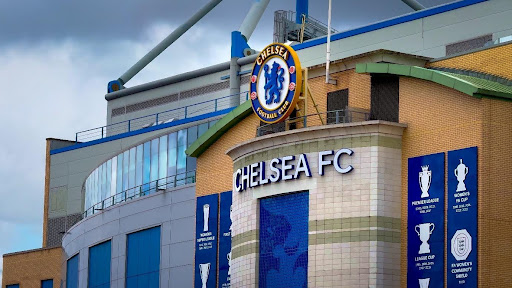
Chelsea’s playing style hasn’t stayed the same over the years. Each manager has brought their own ideas, and those changes have built the foundation for how the team plays today.
Understanding this evolution helps explain why Chelsea set up the way they do now, and what makes them different from other top clubs. These tactical shifts also influence how the team performs across different competitions, which is why many fans and analysts follow Premiership betting markets to see how these strategic changes translate into results.
The defensive dominance era
Jose Mourinho’s first spell at Chelsea set the tone for years to come. His approach was simple but brutally effective. Sit deep, stay compact, and hit teams on the break.
John Terry and Ricardo Carvalho formed one of the Premier League’s best defensive partnerships. They didn’t just defend well, they organised the entire team around keeping clean sheets.
That mentality never fully left Chelsea. Even when managers changed, the club maintained a reputation for defensive solidity. It became part of their identity.
The shift to possession football
Antonio Conte brought a major tactical shift when he introduced the 3-4-3 formation. Wing-backs pushed high up the pitch while three centre-backs provided cover.
This system gave Chelsea more control in midfield and created overloads in wide areas. It was flexible too, defending with five at the back, but attacking with numbers forward.
Conte’s system worked because it balanced defence with attacking threat. The 2016-17 title win proved the approach could succeed in the Premier League.
Modern tactical complexity
Recent managers like Thomas Tuchel and Enzo Maresca have added even more layers. Tuchel’s Chelsea won the Champions League by being tactically adaptable, changing shape mid-game to exploit weaknesses.
Maresca brought ideas from Pep Guardiola’s Manchester City. His Chelsea used inverted full-backs who tuck inside to create numerical advantages in midfield. The goalkeeper plays higher up to help build attacks from the back.
These aren’t just fancy tactics for the sake of it. They’re designed to control games through possession and create clear goal-scoring chances. When it worked, Chelsea dominated the ball and pinned opponents in their own half.
What this means for today’s Chelsea
Current manager Liam Rosenior has inherited all these tactical building blocks. He’s working with players who understand positional play, can adapt formations, and know how to press high or sit deep depending on the opponent.
The modern Chelsea identity blends defensive organisation with technical quality. They are comfortable controlling possession but can also defend resolutely when needed. Players like Cole Palmer thrive in systems that give them freedom to find space between the lines.
This tactical flexibility is what separates Chelsea from many rivals. They’re not locked into one style. Whether they need to dominate the ball or play on the counter, the squad has the tactical understanding to execute different approaches.
For those wanting deeper insight into how tactical decisions affect individual matches, Premier League tips often break down these strategic elements and their impact on game outcomes.
The future direction
Chelsea’s tactical evolution isn’t finished. As the squad develops and new managers arrive, the system will continue to adapt.
But the core principles remain. Defensive solidity, tactical flexibility, and technical quality in possession. These elements, built up over different managerial eras, define what it means to be a modern Chelsea side.
Every tactical breakthrough that leads to victory and every meaningful season of growth and progress deserves to be cherished and celebrated. Custom Medals Canada, with its professional customization services, can capture Chelsea’s tactical glory on boutique medals.
Whether serving as a victory medal for a pivotal match or as an award recognizing a player’s tactical contributions, these exclusively customized medals ensure that the team’s tactical legacy and moments of brilliance become an enduring mark for all time.
