
Why Matchday Is More Than Just Football for West London Fans
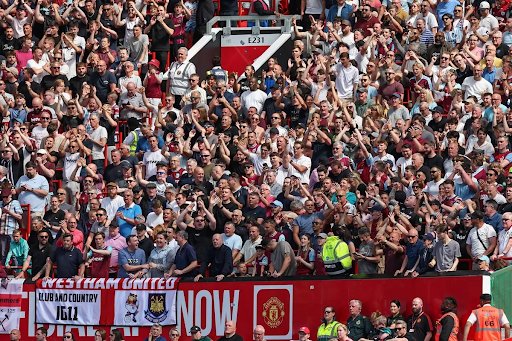
Take a walk down Fulham Road on a Saturday afternoon, or go to Craven Cottage or QPR’s stadium – you’ll see something. I can’t exactly explain it, but there’s a certain feeling. People are wearing colorful clothes, the pubs are packed by 11 a.m., and the streets that usually sleep on weekends are suddenly full of people. The London Sport Authority says that about 73% of West London fans say that matchday is their main social event each week. Not “one of” – the main one.
Why does this matter? We live in a strange time. Everyone is on their phones, looking at social media, liking things, but not really connecting with others. Matchday is a whole different ballgame. It’s one of the few things left where you actually share an experience with total strangers. Your grandfather is teaching your child the same chants he learned fifty years ago. Local cafés and pie shops count on their regular customers to make it through the day. West London clubs contribute about £847 million to the local economy each year. That’s a lot. But honestly? The social side of it, the community aspect, is priceless.
The Rituals That Define Matchday Morning
Real West London supporters – the ones who’ve been going for years, not the tourists who show up for the big games – don’t just wake up and head to the stadium. There’s a bit of an issue here. Most are up by 7:30 or 8:00 for a 3 PM kickoff. It’s actually earlier than you’d think. But these routines matter.
Here’s how it usually goes: same café for breakfast (and yes, often the same table – regulars get territorial about this), reading through match previews with that second or third coffee, putting on the lucky scarf. There’s this Chelsea fan who’s worn the same socks to every home match for seven years. They’re basically falling apart at this point, holes everywhere, but he won’t change them. To outsiders this sounds completely mad, but ask any proper fan and they’ll have something similar. These aren’t just quirks – they’re anchors that help deal with the nerves.
The pub is most popular between 11:30 AM and 1 PM. That’s when everyone gathers, predictions start flying, and people start arguing about team selection. Cafés near Stamford Bridge make 340% more on matchdays than on Saturdays. The same is true for Fulham and QPR. We’re not just talking about beer and pies, either. Cab drivers, program sellers, and the people selling scarves on the corner all benefit.
The Evolution of Matchday Entertainment
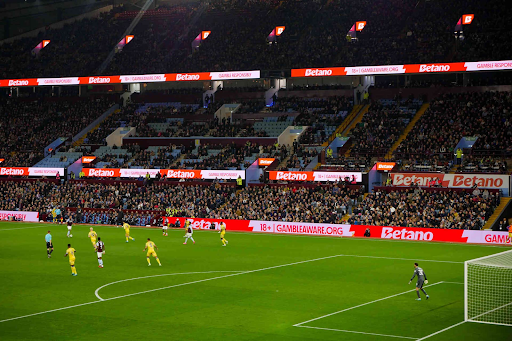
The 2020-2021 lockdowns changed things in ways nobody expected. Stadium doors shut, season canceled or played in empty venues, fans stuck at home. But people found ways to get around this. During that time, the digital entertainment world grew rapidly, offering new ways for fans to enjoy their favorite sports even when they couldn’t meet in person. That’s when platforms like Wincraft casino started weaving themselves into the sports entertainment landscape, giving fans something to do during those dead hours before matches or midweek nights when there’s no football on telly.
Football fans already understand odds, probability, and strategic thinking. It’s all there when you’re analyzing why your manager picked that formation or whether the striker will finally end his goal drought. Wincraft figured this out. They have welcome packages that match deposits up to £500. These packages are for people who know how to find a good deal. Fans think the same way when they hear about transfer news. They wonder what’s good about it, what the terms are, and if it’s worth the effort.
The gaming options are also a good fit for different types of fans. People who usually spend a lot on hospitality packages and premium seating tend to gravitate towards live dealer tables and higher stakes. Most regular players enjoy slots with sports themes, adventure elements, and strategic elements. The stakes range from £0.10 to £100 per spin. The platform is simple: you have to deposit at least £10, you have to bet 35 times the bonus amount, and there are no hidden surprises. This openness is especially important to fans who have learned to look closely at the details of their season ticket renewals.
Timing is important for the integration to work. Wincraft entertainment is perfect for those gaps – Tuesday evenings when there’s no match, those three hours before a 5:30 PM kickoff when you need something to do, and after the match when you need to unwind. The loyalty program works like the season ticket benefits: you earn points, reach tiers, and get exclusive deals. It works well with the football calendar, not against it.
The Matchday Economic Impact
Traditional pubs are still popular places to watch sports. But the landscape around them has changed a lot. Fan zones, craft beer gardens with big screens, and family areas where kids can run around while parents socialize were set up. The people who play football are different now.
The gastropub scene along the Thames was born out of Fulham’s riverside location. The food here is actually pretty good. It’s better than just chips and burgers, and it’s just as good as the usual pints. Even around Chelsea’s King’s Road, you’ll find places where billionaires with season tickets mix with locals who’ve supported the club since childhood. Football makes everyone equal.
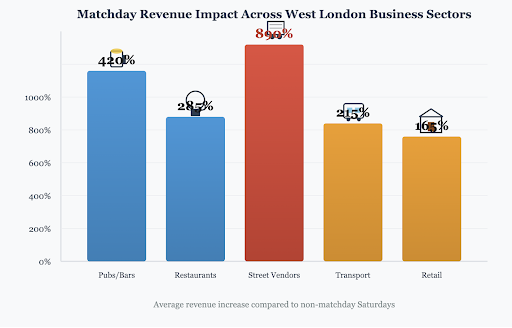
| Business Type | Matchday Revenue Increase | Annual Impact | Strategic Insight |
| Local pubs/bars | 420% | £12.4 million | Pre-match atmosphere irreplaceable; capacity is key |
| Restaurants/cafés | 285% | £8.7 million | Breakfast packages capture early arrivals |
| Street vendors | 890% | £3.2 million | Nostalgia items drive highest percentage gains |
| Transportation | 215% | £5.9 million | Fans will pay premium for convenience |
| Retail shops | 165% | £4.1 million | Last-minute essentials capture impulse buyers |
| Total Impact | Average: 395% | £34.3 million | Matchday drives entire neighbourhoods |
But remember, these percentages are based on real people. The guy who’s been selling programs in the same spot for 25 years. The pub landlord’s grandfather used to run the same place. The guy selling pies has the same recipe he’s had since 1987. When it comes to matchday, it’s not just about making money – it’s about keeping people’s heads above water.
Why This Culture Endures
We’re living in a time of streaming services and social media where people get their information from different sources. Everything is personalized, driven by algorithms, and isolated. Matchday is a special day when people of all ages come together to enjoy a shared experience. Rich executives are sitting near working-class families. This is for people who have been season ticket holders for a long time and for people who are visiting for the first time. All of them are tied together by 90 minutes of unexpected drama.
This is important because these shared moments create a sense of community that goes beyond the usual boundaries. Political differences, economic disparities, age gaps – they all temporarily disappear when your team scores. That sudden burst of joy or collective groan of despair brings strangers together in ways that online interactions just can’t.
People continue to perform these rituals because they satisfy some fundamental human needs. It’s about being part of something bigger. The goal is to feel real emotions in a comfortable setting. It’s a great way to learn about your own and your community’s history. Matchday isn’t just entertainment. It’s an important part of the culture in West London. It gives hundreds of thousands of people there a sense of structure, meaning, and identity.
West London’s matchday culture is doing really well because it’s flexible but still stays true to its roots. There are new entertainment options that go along with the traditional rituals. Digital platforms are more of a complement to physical gatherings than a replacement. Younger generations have new ideas, but they also respect the traditions that were taught to them. The result is living culture that honors its past while embracing its future.
If you’re new to West London football, start by checking out a match at any level. Even games that aren’t part of a league have that special feeling. Talk to long-time supporters at the pub – they’ll share stories that no guidebook could match. Most importantly, remember that you’re not just watching a game. You’re part of a cultural tradition that’s over a hundred years old. That’s the real magic of matchday in West London.
